
Hampton Court Palace
Hampton Court Palace, a magnificent royal residence located on the banks of the River Thames, offers visitors a captivating journey through centuries of British history.
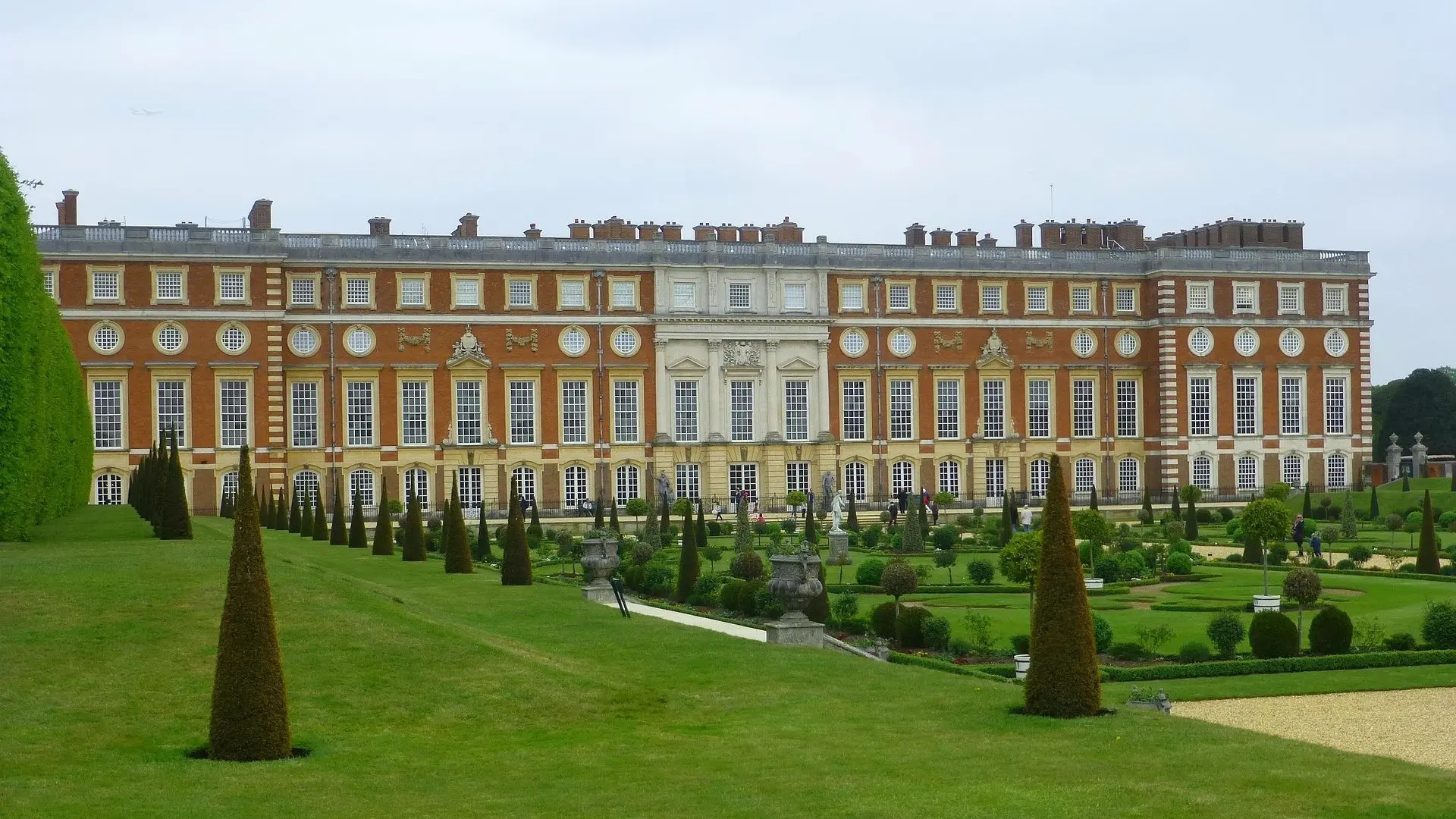
Henry VIII’s Tudor Palace
Step into the opulent world of Henry VIII. Explore the magnificent Great Hall with its hammer-beam roof, the lavish State Apartments, Tudor kitchens big enough to roast eight oxen at once, and the hauntingly beautiful Chapel Royal.
60 Acres of Royal Gardens & Famous Maze
Wander through breathtaking formal gardens, the tranquil Privy Garden, the Great Fountain Garden and the world-famous Hampton Court Maze – planted in 1690 and still delighting (and confusing!) visitors today.
Baroque Splendour & the Magic Garden
Discover William III’s grand Baroque palace with stunning interiors by Sir Christopher Wren, the astronomical clock, the Great Vine (the world’s largest grape vine), and the enchanting Magic Garden playground for families.
Visit Hampton Court Palace in 2026
From its origins as a Tudor palace built by Cardinal Wolsey to its transformation under Henry VIII and later monarchs, Hampton Court is a treasure trove of architectural splendour, historic artifacts, and beautifully landscaped gardens. Explore the vast Tudor kitchens, the opulent State Apartments, and the enchanting gardens that have hosted royal festivities for generations.
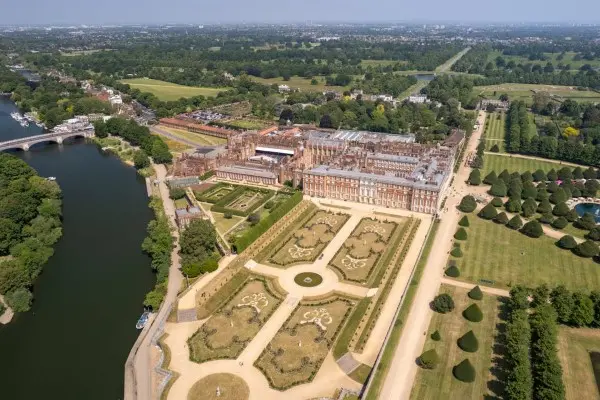
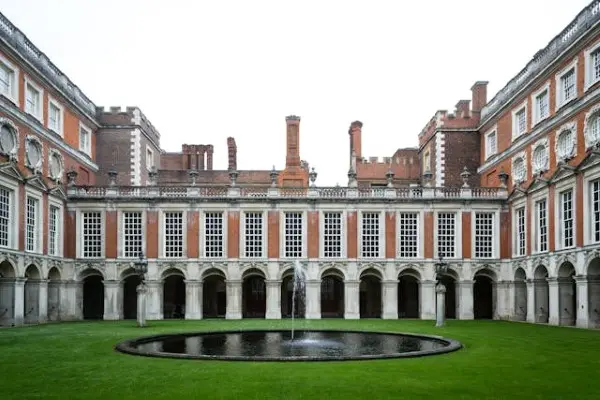
Hampton Court Palace, a splendid royal residence on the banks of the River Thames, offers visitors an immersive experience into centuries of British history. This historic palace, originally built by Cardinal Wolsey in the early 16th century, was later seized by King Henry VIII and transformed into a royal abode. Over the years, it has been home to various monarchs, each leaving their mark on its architecture and gardens. Today, Hampton Court Palace stands as a testament to the grandeur and opulence of England’s royal past. This article will guide you through the highlights of Hampton Court Palace, provide visitor tips, and share essential information for a memorable visit.
A Historical Overview
Hampton Court Palace's history is rich and varied, beginning with its construction by Cardinal Thomas Wolsey in 1515. Wolsey, a favorite of King Henry VIII, intended the palace to be a symbol of his wealth and power. However, when Wolsey fell from the king’s favor, Henry VIII seized the palace and expanded it to suit his royal tastes. The palace witnessed many significant events during the Tudor period, including the birth of Edward VI and the marriage of Henry VIII to Catherine Parr.
Subsequent monarchs, including William III and Mary II, also made substantial additions to the palace. William and Mary’s Baroque-style extensions, designed by Sir Christopher Wren, added a new layer of architectural brilliance to the already magnificent structure. The blend of Tudor and Baroque architecture makes Hampton Court Palace a unique and fascinating site to explore.
The State Apartments
The State Apartments at Hampton Court Palace are a testament to the opulence and grandeur of royal life. These rooms were used for official ceremonies and receptions and are lavishly decorated with fine furnishings, tapestries, and artworks. Key highlights include:
- The Great Hall: This impressive room, adorned with stunning tapestries and a hammer-beam roof, was the setting for grand feasts and entertainment. It is one of the most magnificent medieval halls in England.
- The King’s Apartments: The private chambers of Henry VIII, including his bedroom and the Privy Chamber, offer a glimpse into the personal life of the king.
- The Queen’s Apartments: These rooms were used by various queens consort, including Anne Boleyn and Catherine Howard. They are richly decorated and provide insights into the lives of the Tudor queens.
The Tudor Kitchens
One of the most intriguing parts of Hampton Court Palace is the Tudor kitchens. These vast kitchens, among the largest in Tudor England, were designed to feed the entire court of Henry VIII, which could number over 1,000 people. Visitors can explore the numerous rooms where food was prepared and cooked, including the Great Kitchen, the boiling house, and the larder. The kitchens provide a fascinating glimpse into the daily life and culinary practices of the Tudor court.
The Gardens
The gardens at Hampton Court Palace are some of the most beautiful and historically significant in England. Spanning over 60 acres, the gardens feature a variety of landscapes, from formal gardens to wilderness areas. Key highlights include:
- The Privy Garden: This meticulously restored garden, originally designed for William III, features symmetrical patterns, ornamental flower beds, and elegant fountains.
- The Great Vine: Planted in 1768, this grapevine is the largest in the world and still produces fruit today.
- The Maze: One of the oldest surviving hedge mazes in the UK, the Hampton Court Maze offers a fun and challenging experience for visitors of all ages.
- The Tiltyard: Originally used for jousting tournaments, the Tiltyard now houses the Tiltyard Gardens and the Tiltyard Café, where visitors can relax and enjoy refreshments.
The Chapel Royal
The Chapel Royal at Hampton Court Palace is a stunning example of Tudor architecture and has been in continuous use for over 450 years. The chapel’s beautifully decorated ceiling and historic organ add to its serene and majestic atmosphere. It is still an active place of worship and hosts regular services, which visitors are welcome to attend.
Nearby Attractions
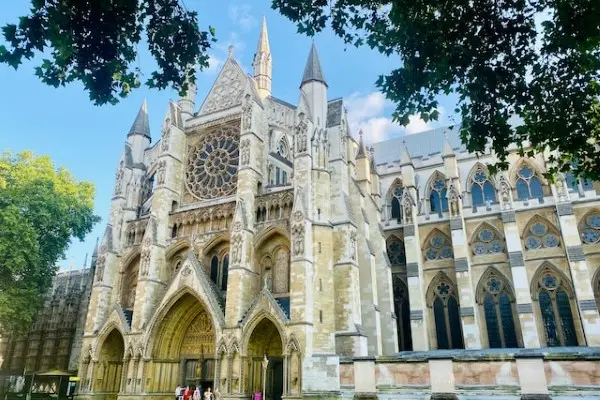
Westminster Abbey
0.5 Miles away10 Minute Walk
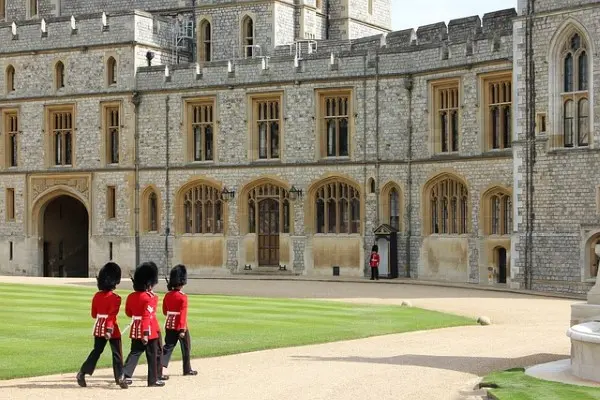
Windsor Castle
23 Miles away1hr by train
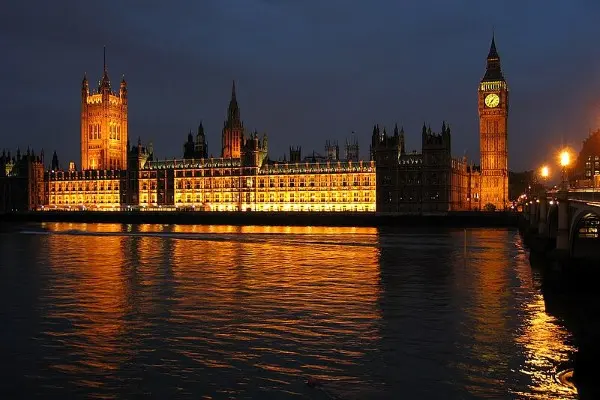
Houses of Parliament
0.6 Miles away10-12 Minute Walk

The Tower of London
3 Miles away60-65 Minute Walk
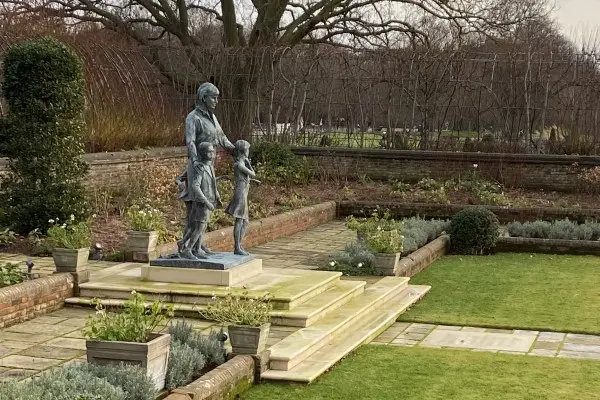
Kensington Palace
1.6 Miles away30-35 Minute Walk
Frequently Asked Questions
Everything you need to know before visiting Hampton Court Palace – tickets, opening times, the famous Maze, tours and more.
1. Do I need to book tickets in advance?
Yes – pre-booking online is strongly recommended to guarantee entry, choose your preferred time slot, and often save money with off-peak pricing. Walk-up tickets are available but limited, especially during peak seasons like summer and holidays.
2. What are the opening hours?
Summer (late Mar – late Oct): 10:00 AM – 5:30 PM
Winter (late Oct – late Mar): 10:00 AM – 4:30 PM
Last admission 1 hour before closing.
Note: Closed 24–26 Dec; gardens open year-round on select free days. Always check the official website for events, closures, or conservation work (e.g., Base Court from Sep 2025–Jun 2026).
3. How long should I allow for a visit?
We recommend at least 3 hours to explore the Tudor and Baroque palaces, kitchens, and gardens – but most visitors stay a full day to tackle the Maze, Magic Garden, and 60 acres of grounds. If time is short, prioritize Henry VIII’s Apartments and the Maze.
4. Are guided tours included?
Yes – free audio guides are included with admission and available in multiple languages, covering highlights like the Haunted Gallery and Great Vine. Free guided walks by costumed historians run throughout the day (check times on-site). Private tours can be booked separately.
5. Can I visit the Maze? Are there queues?
Yes, the world-famous hedge Maze (planted in 1690) is included in your ticket and takes 20–30 minutes to navigate. Queues are usually short (under 15 minutes) except on busy weekends – head there early or late to avoid waits.
6. Is photography allowed?
Yes, photography is permitted throughout the palace and gardens for personal use (no flash or tripods indoors to protect artifacts). Prohibited in the Chapel Royal and during special events or performances. Respect other visitors' privacy.
7. Is Hampton Court Palace wheelchair accessible?
Mostly yes – step-free routes, lifts to main areas, accessible toilets, and free manual wheelchairs available (book ahead). Some historic rooms have uneven floors or stairs; the Maze has an alternative path. Free entry for one essential companion.
8. Can I bring a bag or Pram?
Small bags are fine after security checks. Large luggage/backpacks must use on-site lockers (small sizes only, £1 coin deposit) or nearby facilities like Hampton Court station. Prams are allowed but may need folding in tight indoor spaces; the Magic Garden is fully Pram-friendly.
9. Are there places to eat inside?
Yes – try the Undercroft Café for light bites and cakes, the Tiltyard Café for hot meals and salads, or the Privy Kitchen for Tudor-inspired snacks. Picnics are welcome in the gardens (no glass or alcohol); kids' menus available throughout.
Palace Highlights
Discover the iconic State Rooms, stroll through the beautiful gardens, and explore the historic Royal Mews — each area offers a unique glimpse into the life and heritage of Buckingham Palace.