
Westminster Abbey
Westminster Abbey, an architectural marvel and historical treasure in the heart of London, has been the site of royal coronations, weddings, and burials for over a thousand years.
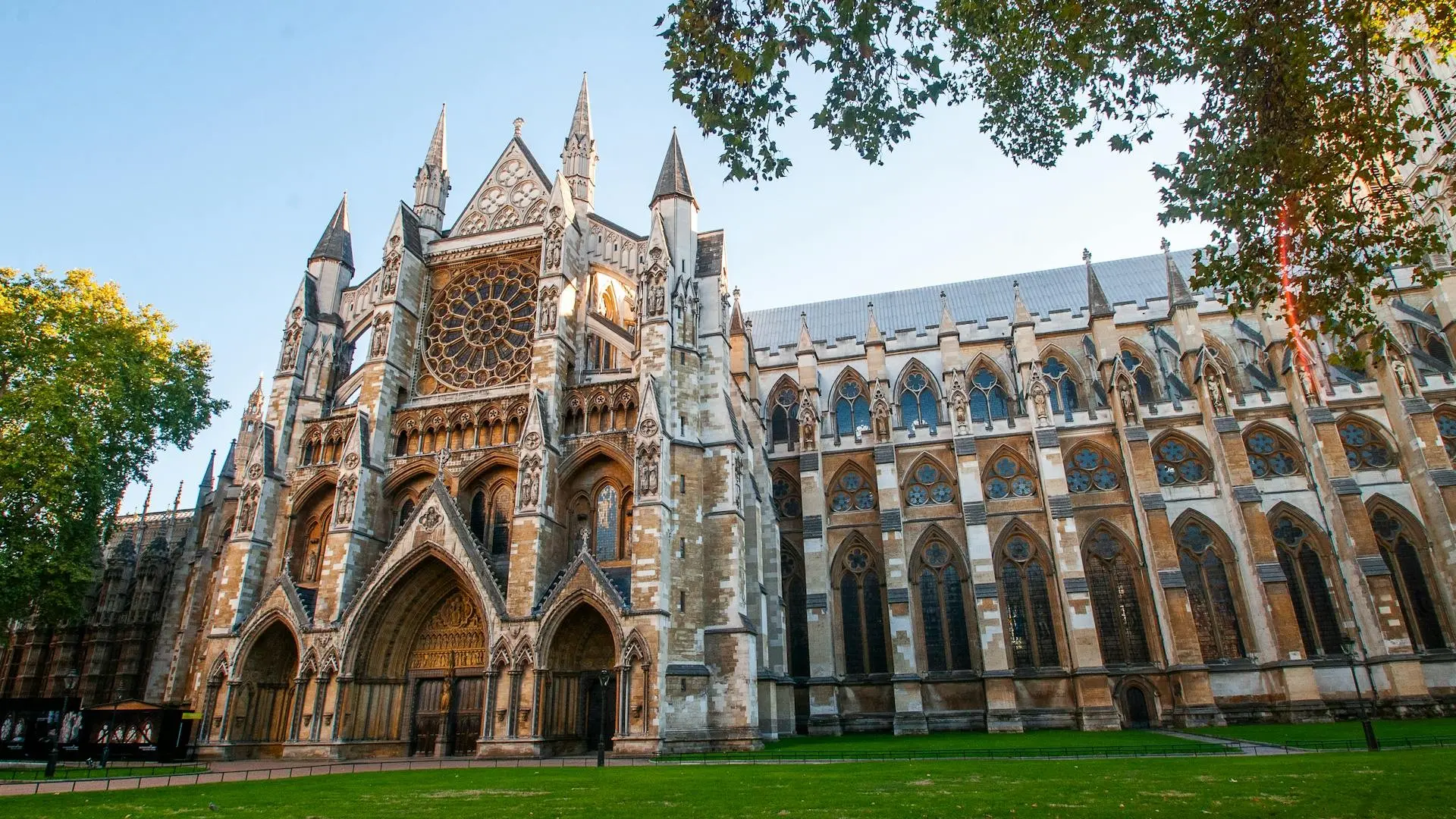
Britain’s Coronation Church
Since 1066, every English and British monarch has been crowned in Westminster Abbey. Stand before the ancient Coronation Chair (used since 1308), see the spot where King Charles III was crowned in 2023, and marvel at the soaring Gothic nave that has witnessed over 40 royal coronations and 16 royal weddings.
Poets’ Corner & Royal Tombs
Walk among the graves and memorials of Britain’s greatest writers – Chaucer, Dickens, Handel, Austen, and the Brontës – in the world-famous Poets’ Corner. Nearby lie monarchs including Elizabeth I, Mary Queen of Scots, and Edward the Confessor, surrounded by centuries of breathtaking Gothic architecture.
A Nation’s Shrine
Over 3,300 people are buried or commemorated here, including Isaac Newton, Charles Darwin, Stephen Hawking, and the Unknown Warrior. From royal weddings (William & Kate, 2011) to state funerals, Westminster Abbey remains the spiritual heart of the United Kingdom.
Visit Westminster Abbey in 2026
Steeped in history and tradition, the abbey boasts stunning Gothic architecture, intricate stained glass windows, and the final resting places of numerous monarchs and notable figures. Whether you’re a history enthusiast, architecture lover, or simply looking to explore one of London’s most iconic landmarks, a visit to Westminster Abbey promises a captivating journey through British history. Join us as we delve into the highlights and essential visitor information for experiencing this remarkable site.
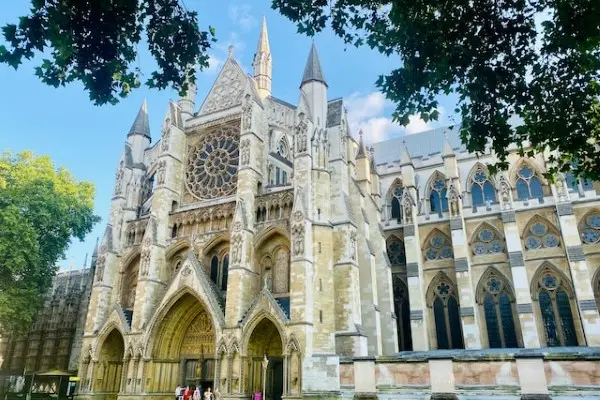
Westminster Abbey, an enduring symbol of British heritage and architectural grandeur, has stood at the heart of London for over a thousand years. This historic church is not only a masterpiece of Gothic architecture but also a site of immense historical significance. From royal coronations and weddings to the burial place of monarchs and illustrious figures, Westminster Abbey offers a captivating journey through British history. This article will guide you through the highlights of visiting Westminster Abbey, providing visitor tips and essential information for an unforgettable experience.
Architectural Marvels
Westminster Abbey’s stunning Gothic architecture is one of its most striking features. The intricate designs, soaring vaults, and detailed stonework reflect the craftsmanship of the medieval builders. Some architectural highlights include:
- The Nave: The longest nave in England, measuring 102 feet high, is a breathtaking sight. Its grand arches and towering columns create a sense of awe and reverence.
- The Quire: Home to the abbey's choir, the quire features beautifully carved wooden stalls and is the setting for daily services and special ceremonies.
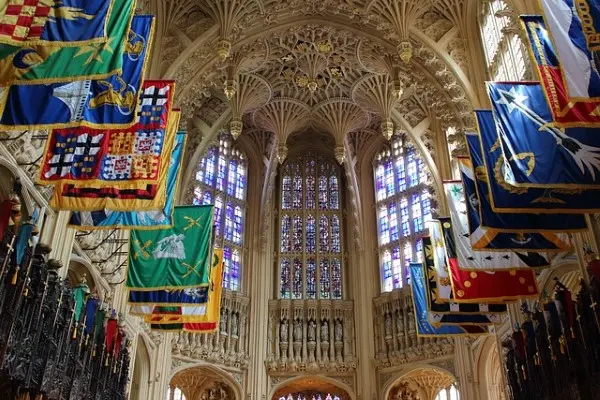
- The Lady Chapel: Also known as the Henry VII Chapel, this exquisite chapel is renowned for its stunning fan vaulting and the intricate stonework of its tombs and monuments.
- The Chapter House: A remarkable octagonal room with a ribbed vault and medieval floor tiles, the Chapter House was used by monks for meetings and now displays historical artifacts and documents.
Royal Connections
Westminster Abbey is deeply intertwined with the British monarchy. It has been the site of numerous royal weddings, including the marriage of Prince William and Catherine Middleton in 2011, and Princess Elizabeth (now Queen Elizabeth II) to Prince Philip in 1947. The abbey also houses the Coronation Chair, used in the coronation of every British monarch since 1308. This chair, housed in St. George’s Chapel, is one of the most significant artifacts in British history.
Tombs and Memorials
The abbey is the final resting place of many British monarchs, statesmen, poets, scientists, and other notable figures. Some of the most famous tombs and memorials include:
- The Tomb of the Unknown Warrior: A poignant memorial to the soldiers of World War I, located near the west entrance.
- Poets’ Corner: A section of the south transept dedicated to famous poets, writers, and playwrights, including Geoffrey Chaucer, Charles Dickens, and William Shakespeare.
- The Royal Tombs: The abbey houses the tombs of numerous monarchs, including Edward the Confessor, Henry VII, and Elizabeth I. These royal tombs are intricately designed and reflect the grandeur of their reigns.
- Scientists and Innovators: The abbey also commemorates scientists such as Isaac Newton and Charles Darwin, highlighting their contributions to knowledge and discovery.
Nearby Attractions
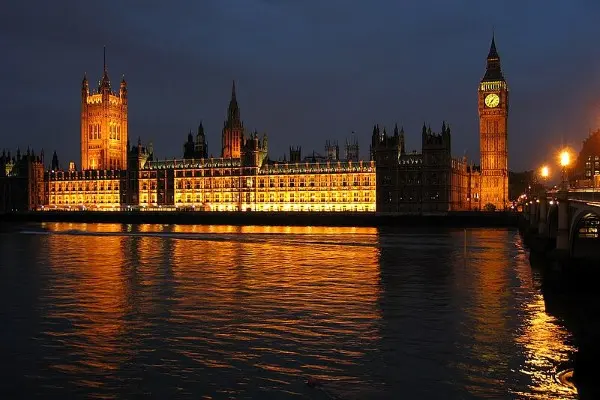
Houses of Parliament
0.6 Miles away10-12 Minute Walk
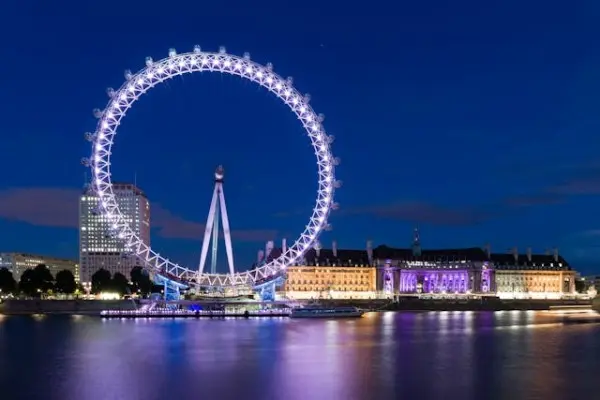
The London Eye
1 Mile away20-25 Minute Walk
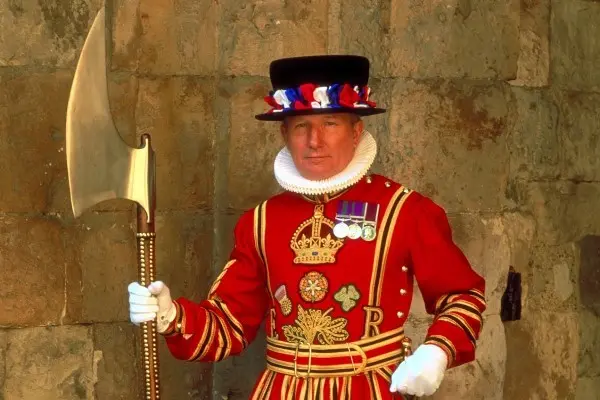
The Tower of London
3 Miles away60-65 Minute Walk
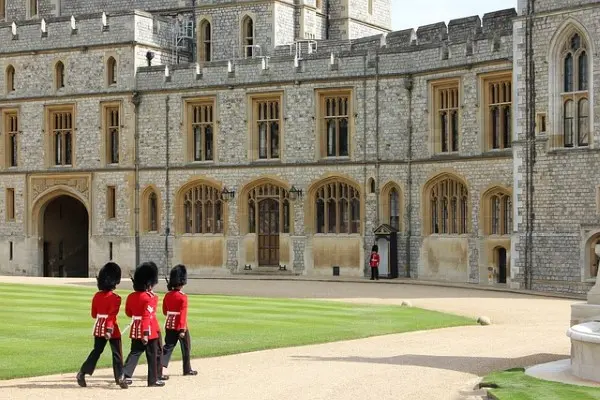
Windsor Castle
23 Miles away1hr by train
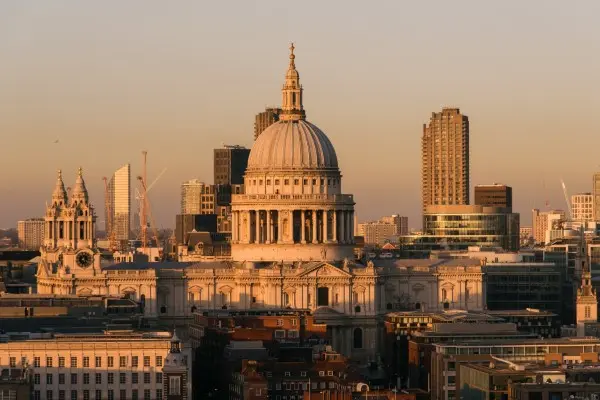
St Pauls Cathedral
2 Miles away40-45 Minute Walk
Frequently Asked Questions
Everything you need to know before visiting Westminster Abbey – tickets, opening times, guided tours, Poets’ Corner and more.
1. Do I need to book tickets in advance?
Yes – pre-booking online is strongly recommended to guarantee entry and choose your preferred time slot, especially during peak seasons. Free for disabled visitors and one essential companion.
2. What are the opening hours?
Monday–Friday: 9:30 AM – 3:30 PM (last admission 2:30 PM)
Saturday: 9:00 AM – 3:00 PM (last admission 2:00 PM)
Sunday: Open for worship only (sightseeing after 1:00 PM service).
Closed 25–26 December and during special events; always check the official website.
3. How long should I allow for a visit?
Allow 90 minutes to 2 hours to explore the nave, Poets’ Corner, royal chapels, and cloisters comfortably. Add extra time for verger-led tours or the Queen’s Diamond Jubilee Galleries (£5 supplement).
4. Are guided tours included?
Yes – a free multimedia audio guide is included with admission (10 languages + kids' version). 90-minute verger-led tours offer exclusive access to St Edward's Shrine – book separately on-site.
5. Can I attend services or Evensong?
Yes – daily worship and choral services (e.g., Evensong at 5:00 PM) are free and open to all. Arrive 15–20 minutes early for seating; sightseeing closes during major services.
6. Is photography allowed?
Yes, personal photography (no flash) is permitted in the church and Cloisters.
Prohibited during services, in the Shrine of St Edward, or for commercial use.
7. Is Westminster Abbey wheelchair accessible?
Yes – step-free routes to most areas, lifts to galleries, free manual wheelchairs (book ahead), accessible toilets, and BSL tours. Assistance dogs welcome; free entry for one essential companion.
8. Can I bring a bag or pram?
Small bags are allowed after security; large bags/backpacks prohibited – use nearby storage at Charing Cross station. Prams permitted; baby-changing facilities available.
9. Are there places to eat inside?
Limited – the Cellar Café in the cloisters offers light lunches, teas, and cakes. Otherwise, picnic in the gardens or visit nearby Westminster cafés; no food in the church.
Palace Highlights
Discover the iconic State Rooms, stroll through the beautiful gardens, and explore the historic Royal Mews — each area offers a unique glimpse into the life and heritage of Buckingham Palace.