
The Tower of London
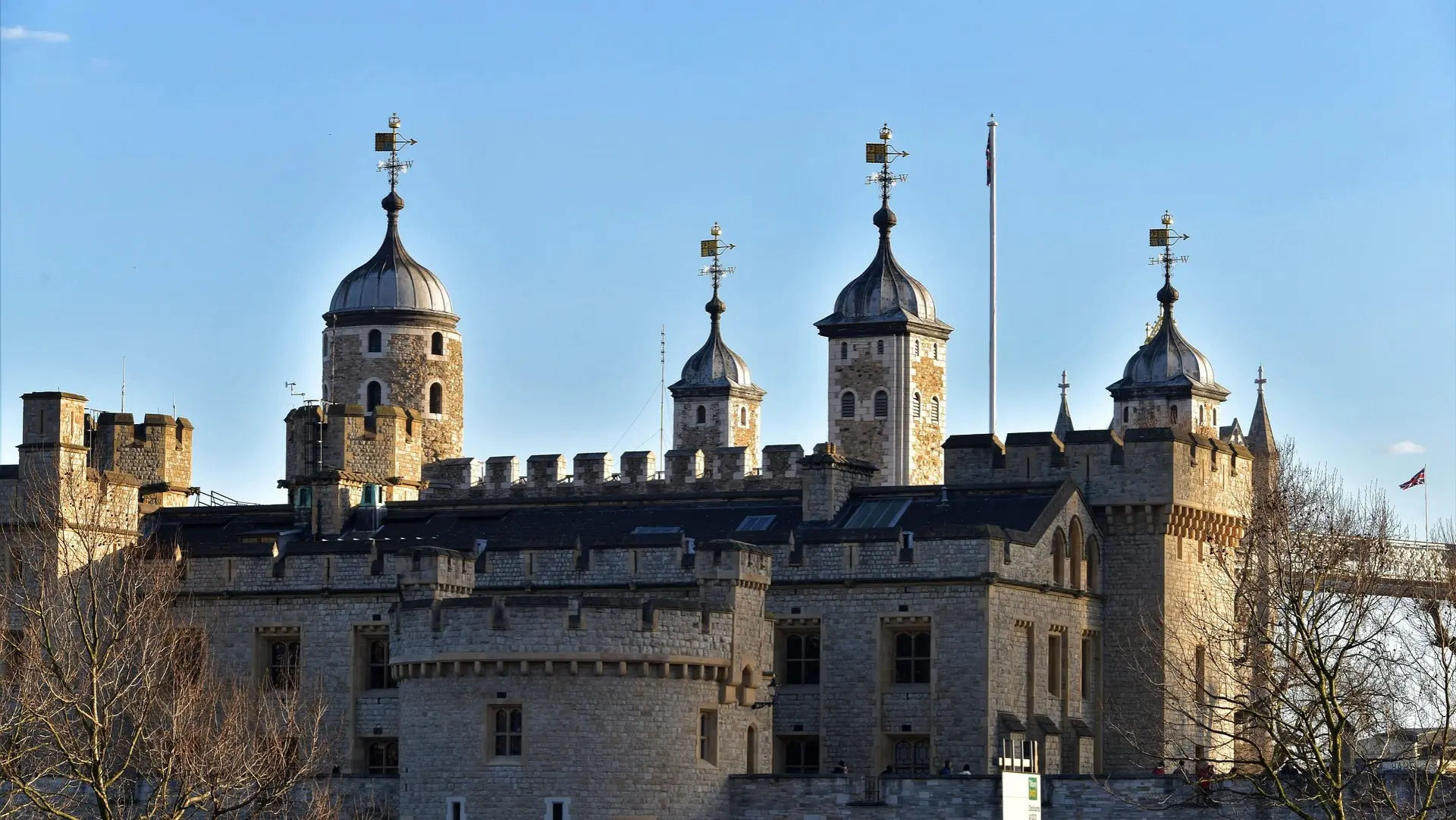
The Tower of London, a historic fortress and UNESCO World Heritage site, stands as a symbol of British history and heritage.
The Crown Jewels
See the world-famous Crown Jewels, including the Imperial State Crown with the legendary 317-carat Cullinan II diamond, St Edward’s Crown used at coronations, and the solid-gold Sovereign’s Sceptre with the 530-carat Cullinan I – the largest clear-cut diamond on Earth.
1,000 Years of History
Built by William the Conqueror in 1078, the Tower has served as royal palace, infamous prison, armoury and even a zoo. Explore the White Tower, walk the medieval walls and discover the stories of Anne Boleyn, Guy Fawkes and the Princes in the Tower.
Meet the Ravens & Beefeaters
Join a legendary Yeoman Warder (“Beefeater”) tour and hear gripping tales of escape, torture and execution. Don’t miss the famous ravens – legend says that if they ever leave the Tower, the kingdom will fall.
Visit The Tower of London in 2026
For nearly a thousand years, this iconic landmark has played a central role in England's story, serving as a royal palace, prison, treasury, and even a zoo. Today, visitors can explore its ancient walls, marvel at the Crown Jewels, and immerse themselves in captivating exhibitions that bring the past to life.
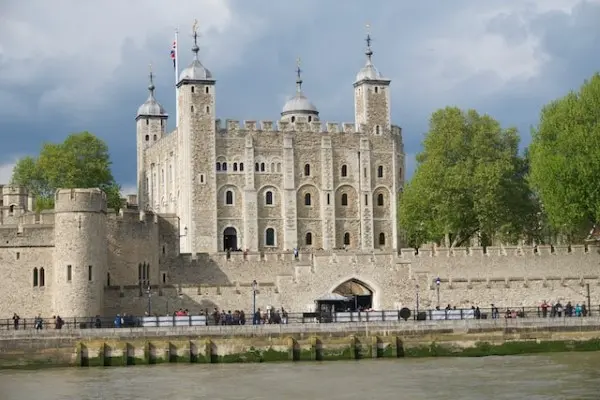
The Tower of London, a historic fortress and UNESCO World Heritage site, is one of the most iconic landmarks in the United Kingdom. Situated on the banks of the River Thames, this formidable structure has been a witness to nearly a thousand years of history, serving variously as a royal palace, prison, treasury, and even a menagerie. Today, the Tower of London attracts millions of visitors from around the world, eager to explore its ancient walls, marvel at the Crown Jewels, and uncover the rich tapestry of stories embedded within its stone. In this article, we’ll guide you through the highlights of the Tower of London, provide visitor tips, and share essential information to make your visit unforgettable.
A Historical Overview
The Tower of London was founded by William the Conqueror in 1066 as part of his strategy to establish control over the city. The White Tower, the central keep, was constructed shortly after and remains one of the most significant examples of Norman military architecture. Over the centuries, successive monarchs expanded and reinforced the complex, adding walls, towers, and moats to create the formidable fortress we see today.
The Tower has played a central role in English history. It has been a royal residence, a site of political intrigue and imprisonment, and the location of many famous executions, including those of Anne Boleyn and Lady Jane Grey. Its varied history makes it a fascinating place to visit, offering insights into the tumultuous events that have shaped Britain.
The Crown Jewels
One of the most awe-inspiring attractions at the Tower of London is the Crown Jewels. This collection of royal regalia, still used in ceremonies today, includes some of the most extraordinary diamonds and gemstones in the world. Key pieces in the collection include:
- The Imperial State Crown: Worn by the monarch at the State Opening of Parliament, this crown is adorned with over 2,800 diamonds, including the famous Cullinan II diamond.
- The Sovereign’s Sceptre: Another highlight, this sceptre features the Cullinan I diamond, the largest clear-cut diamond in the world.
- The Coronation Spoon: Dating back to the 12th century, this spoon is the oldest piece in the regalia and is used in the anointing of the monarch.
Visitors can view these treasures in the Jewel House, where they are displayed with historical context and dramatic flair.
The Yeoman Warders
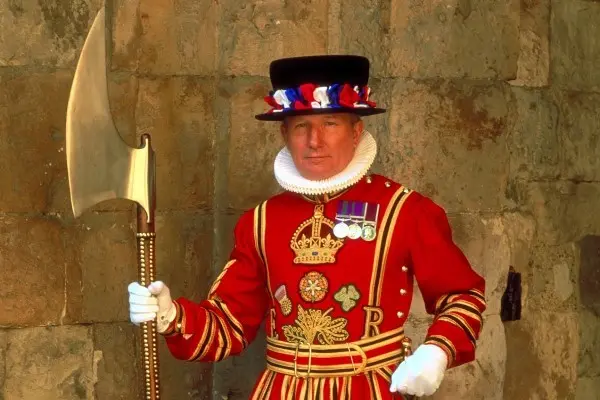
The Yeoman Warders, commonly known as Beefeaters, are the ceremonial guardians of the Tower of London. Dressed in their distinctive Tudor-style uniforms, they have been guarding the Tower for centuries. Today, they serve as knowledgeable guides, offering engaging and informative tours that bring the history of the Tower to life. A Yeoman Warder tour is a must-do experience, providing fascinating insights and often humorous anecdotes about the Tower’s past.
The White Tower
The White Tower, the central keep, is one of the most iconic and historic buildings within the complex. It houses a remarkable collection of arms and armor, including the stunning Line of Kings display, which features armor worn by Henry VIII and other monarchs. The Chapel of St. John, located within the White Tower, is a beautiful example of Norman architecture and is one of the oldest chapels in England.
The Medieval Palace
The Tower of London also contains a reconstructed medieval palace, giving visitors a glimpse into royal life during the 13th century. The rooms are furnished with replicas of the period and provide an immersive experience of medieval court life. Key areas to explore include the St. Thomas’s Tower, the Wakefield Tower, and the Lanthorn Tower.
The Tower Green and Scaffold Site
The Tower Green is a solemn place within the Tower of London, where some of the most famous executions in British history took place. The memorial to those executed on the site, including Anne Boleyn, is a poignant reminder of the Tower’s darker history. The nearby Scaffold Site, marked by a glass memorial, is where public executions were carried out.
Nearby Attractions
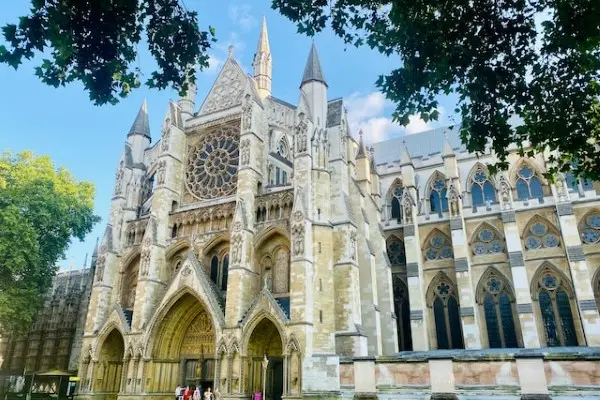
Westminster Abbey
0.5 Miles away10 Minute Walk
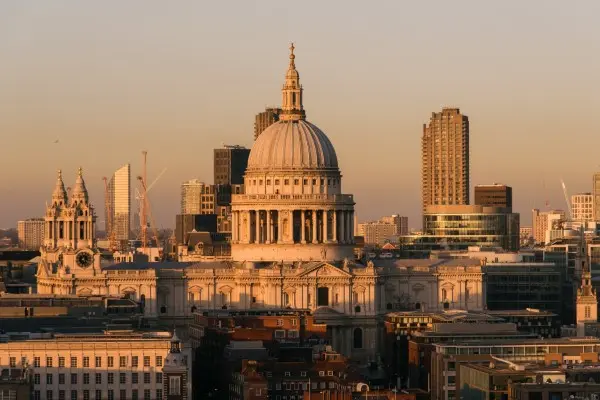
St Pauls Cathedral
2 Miles away40-45 Minute Walk
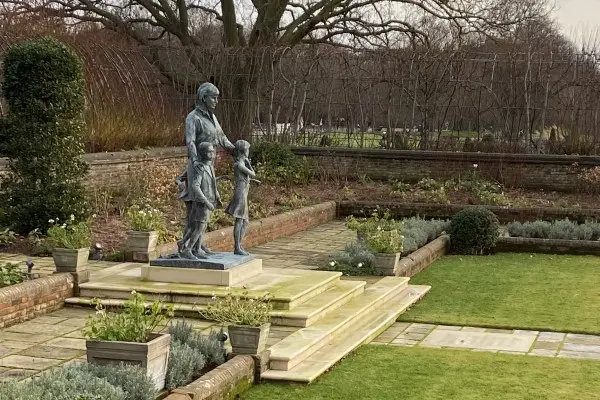
Kensington Palace
1.6 Miles away30-35 Minute Walk
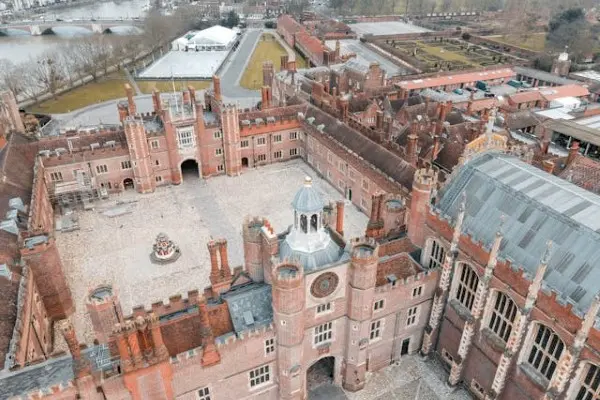
Hampton Court Palace
12.8 Miles away35 Minutes - Train
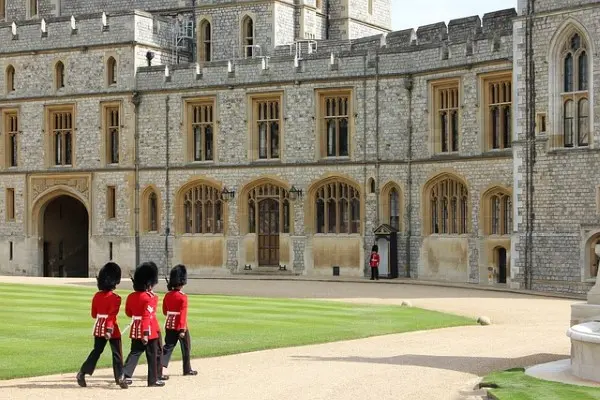
Windsor Castle
23 Miles away1hr by train
Frequently Asked Questions
Everything you need to know before visiting the Tower of London – tickets, opening times, Crown Jewels, tours and more.
1. Do I need to book tickets in advance?
Yes – booking online in advance is strongly recommended. It guarantees entry, lets you choose your time slot, and usually saves money compared to on-the-day prices. Walk-up tickets are limited and queues can be very long, especially in peak season.
2. What are the opening hours?
Tuesday–Saturday: 9:00 AM – 5:30 PM
Sunday–Monday: 10:00 AM – 5:30 PM
Last admission is 1 hour before closing.
Winter (1 Nov – 28 Feb): closes at 4:30 PM.
Always check the official website for ceremonial closures and holiday hours.
3. How long should I allow for a visit?
Most visitors spend 3–4 hours to comfortably see the Crown Jewels, White Tower, medieval palace, ravens, and join a Yeoman Warder tour. If you only have 2 hours, prioritise the Jewels and a Beefeater tour.
4. Are the Yeoman Warder (Beefeater) tours included?
Yes – they are free and depart every 30 minutes from just inside the main entrance. They last about 60 minutes and are the best way to understand the Tower’s incredible history. Highly recommended!
5. Can I see the Crown Jewels? Are there queues?
Yes, the Crown Jewels are the Tower’s star attraction and are included in your ticket. Queues can be 30–90 minutes in peak summer, but they move steadily on travelators. Arrive early or late in the day for shorter waits.
6. Is photography allowed?
Photography is permitted in almost all outdoor areas and most indoor exhibits. No photography or filming is allowed inside the Jewel House or in certain temporary exhibitions.
7. Is the Tower of London wheelchair accessible?
Yes. There are step-free routes, lifts to most levels, accessible toilets, and free entry for one essential companion. Some historic areas have cobblestones and slight slopes. Manual wheelchairs are available to borrow (book ahead recommended).
8. Can I bring a bag or stroller?
Small bags are allowed but security-checked. Large bags and luggage must be left at left-luggage facilities outside (e.g. at Liverpool Street or King’s Cross stations). Pushchairs/strollers are permitted but may need to be folded or parked in some buildings.
9. Are there places to eat inside?
Yes – the New Armouries Café (indoor/outdoor seating), the Jewel House kiosk, and several smaller outlets serve hot/cold food, snacks and drinks. You’re also welcome to bring your own picnic to eat on the Wharf or Tower Green (no alcohol).
Palace Highlights
Discover the iconic State Rooms, stroll through the beautiful gardens, and explore the historic Royal Mews — each area offers a unique glimpse into the life and heritage of Buckingham Palace.